About Nexus Market
Nexus Market launched in November 2023 and has quickly established itself as one of the most visually distinctive darknet marketplaces in operation. The platform distinguishes itself through a unique cyberpunk-inspired aesthetic featuring neon colors, futuristic design elements, and an interface that draws inspiration from science fiction aesthetics. Beyond the visual appeal, Nexus implements thorough security features that PDM analysts have evaluated in detail.
The marketplace has grown significantly since launch, currently serving over 50,000 users and hosting more than 2,500 active vendors. This growth reflects strong community reception of the platform's design philosophy and technical implementation. PDM has monitored Nexus operations since its debut and continues tracking market developments for our readers.

Nexus Market History
The Nexus development team brought significant experience to the project. The founding operators demonstrated familiarity with darknet marketplace architecture from day one, implementing features that typically require months of iteration. The platform launched with PGP authentication, multi-cryptocurrency support, and mobile optimization already functional.
Throughout 2024 and into 2026, Nexus expanded its feature set while maintaining operational stability. The platform weathered DDoS attacks that disrupted competitors, demonstrating infrastructure resilience. Regular security updates addressed emerging threats while interface improvements enhanced user experience. This consistent development pattern suggests committed long-term operators.
Nexus Market Cyberpunk Design
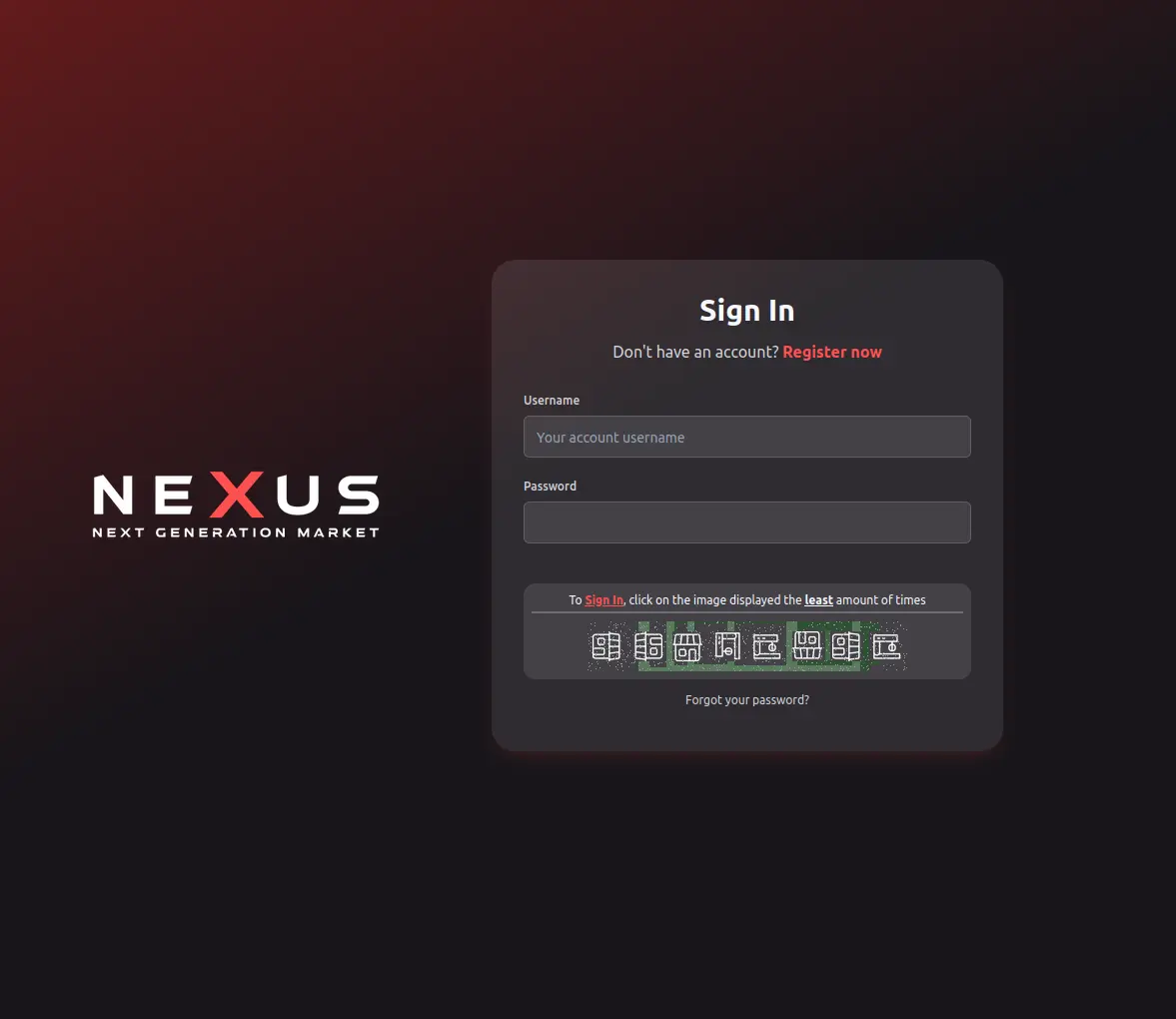
The Nexus aesthetic represents a deliberate departure from typical darknet marketplace design. Where most platforms prioritize pure functionality with minimal styling, Nexus embraces vibrant visual presentation. The interface features electric blue (#25E1ED) and hot pink (#e94560) accent colors against dark backgrounds. Neon glow effects highlight interactive elements. Typography choices reinforce the futuristic theme.
This design philosophy serves practical purposes beyond aesthetics. High contrast ratios improve readability on Tor Browser. Consistent color coding helps users distinguish interface sections. Visual hierarchy guides navigation flow. The memorable appearance also helps users identify legitimate Nexus mirrors versus phishing attempts, though PGP verification remains necessary.
Nexus Market Key Features
- Multi-Currency Support: Nexus accepts Bitcoin (BTC), Monero (XMR), and Litecoin (LTC). Built-in wallet management handles conversion and storage. XMR recommended for maximum privacy.
- Advanced 2FA: Two-factor authentication available via PGP challenge-response or TOTP codes. Mandatory for withdrawal operations regardless of login settings.
- Mobile Optimization: Full platform functionality on mobile devices. Responsive design adapts to screen sizes without sacrificing features.
- Built-in Forum: Community discussion integrated into the platform. Vendor announcements, market updates, and user interaction consolidated.
- Escrow Protection: Mandatory escrow for all transactions. Funds held until buyer confirmation. Dispute resolution system with moderator arbitration.
- Multi-Language Support: Interface available in 15+ languages. Automated translation for vendor listings and communications.
Nexus Market Security Architecture
Security implementation on Nexus reflects industry best practices with several platform-specific enhancements. PGP encryption is mandatory for sensitive communications between users and vendors. The platform cannot read encrypted message contents, protecting both parties even in worst-case server compromise scenarios.
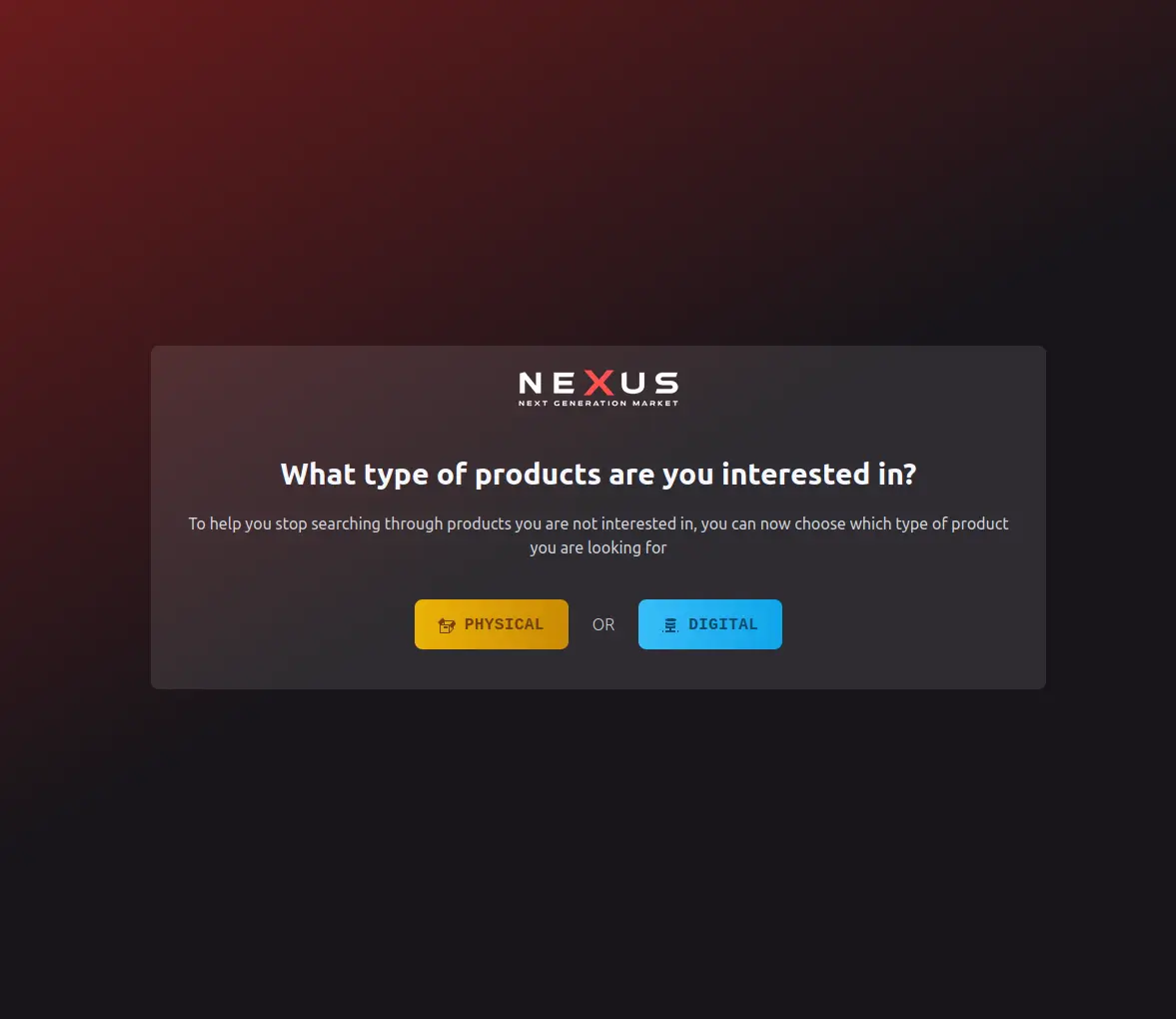
Account security extends beyond basic password protection. Login attempts face rate limiting and CAPTCHA challenges after failed attempts. IP-based anomaly detection flags suspicious access patterns for additional verification. Account recovery requires PGP key validation, preventing social engineering attacks that plague other platforms.
The Nexus escrow system holds buyer funds in secure wallets until transaction completion. Multi-signature configurations distribute control, reducing single-point-of-failure risks. Withdrawal delays provide time for fraud detection before funds leave platform control. These measures cannot eliminate all risks but significantly improve user protection compared to platforms with weaker implementations.
Nexus Market Statistics 2026
| Metric | Value | Notes |
|---|---|---|
| Active Users | 50,000+ | Monthly active accounts |
| Active Vendors | 2,500+ | Verified seller accounts |
| Product Listings | 15,000+ | Available items |
| Commission Rate | 4% | Standard transaction fee |
| Vendor Bond | $300 | One-time registration |
| Uptime | 97%+ | 2024-2026 average |
| Languages | 15+ | Interface translations |
How to Access Nexus Market
Accessing Nexus Market requires proper security preparation. Never access any darknet marketplace without appropriate protections in place. Follow these steps for safe access to Nexus.
- Download Tor Browser: Obtain Tor Browser exclusively from torproject.org. Verify download signatures before installation.
- Verify Mirror Links: Import the official Nexus PGP public key. Download signed mirror lists and verify signatures match exactly.
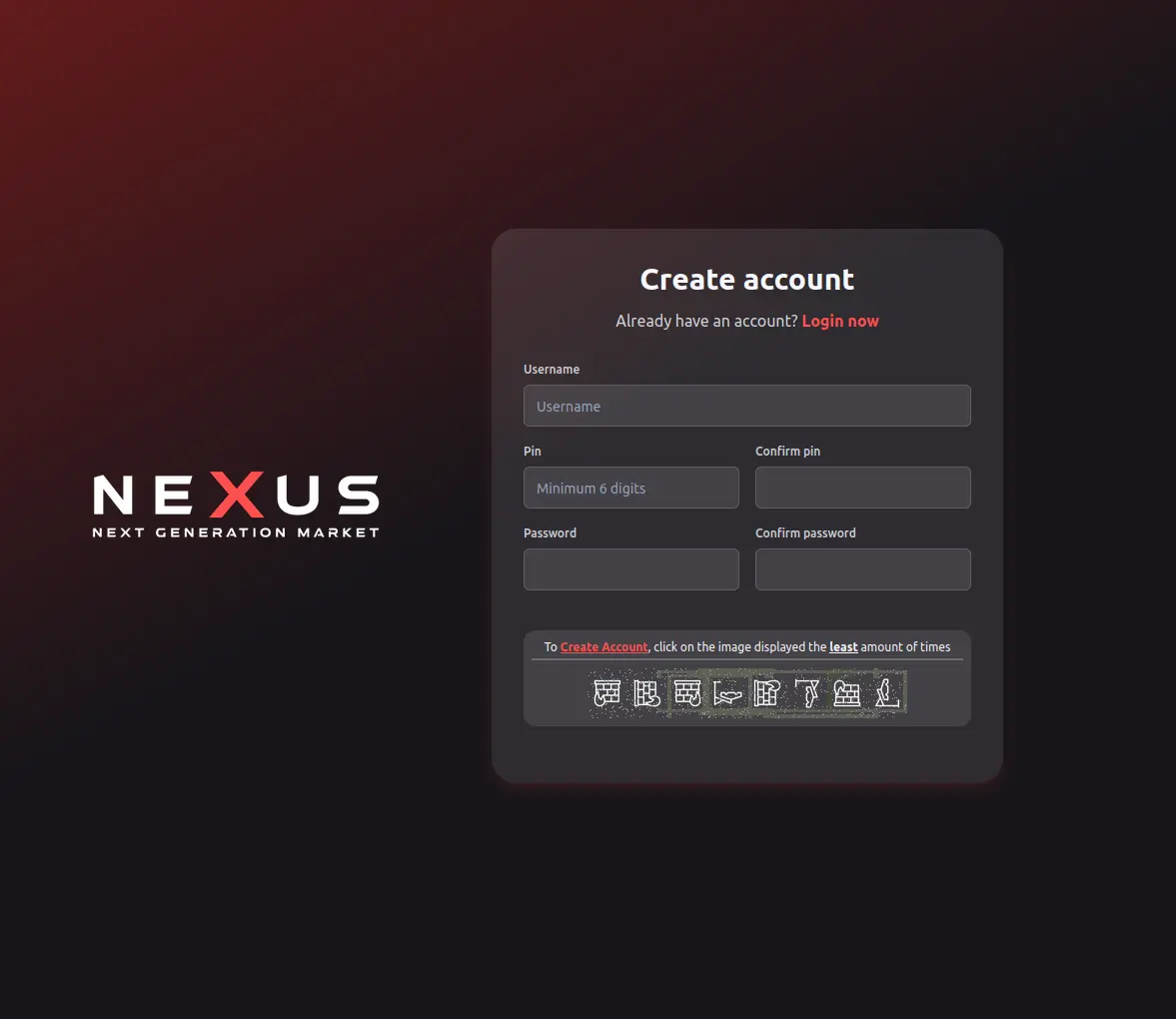
- Create Account: Use a unique username not associated with other identities. Generate a strong password. Never reuse credentials.
- Enable 2FA: Configure two-factor authentication immediately after account creation. PGP-based 2FA provides strongest protection.
- Set Up PGP: Generate a dedicated keypair for Nexus communications. Import vendor public keys before encrypted messaging.
Nexus Payment Methods
Nexus Market accepts three cryptocurrencies: Bitcoin (BTC), Monero (XMR), and Litecoin (LTC). PDM strongly recommends Monero for users prioritizing transaction privacy. Bitcoin and Litecoin transactions record on public blockchains where chain analysis companies can trace flows. Monero implements ring signatures and stealth addresses that effectively prevent transaction tracing.
The Nexus wallet system handles cryptocurrency conversion between supported currencies. Users can deposit in one currency and pay vendors in another. This flexibility accommodates users with varying cryptocurrency access. However, conversion involves exchange rate spreads that may exceed external exchange rates. Direct deposits in the intended payment currency typically prove more economical.
Nexus Vendor Ecosystem
The Nexus vendor community has grown substantially since platform launch. The $300 vendor bond requirement filters casual sellers while remaining accessible to serious operators. Vendors undergo verification processes before listing activation. This creates a more curated marketplace compared to platforms with lower barriers to entry.
Vendor reputation systems on Nexus operate through transaction feedback and dispute history. Successful vendors build trust through consistent positive experiences. The platform displays transaction counts alongside ratings, helping buyers distinguish established vendors from newcomers with limited history. Multi-factor scoring considers shipping speed, communication responsiveness, and product accuracy.
Nexus Market Compared to Alternatives
Among current darknet marketplaces, Nexus occupies a unique aesthetic niche while providing competitive features. Torzon offers larger selection and longer operational history but employs conventional interface design. DrugHub provides superior privacy through XMR-exclusive operations but lacks Nexus's multi-currency flexibility. Vortex supports more cryptocurrencies but operates at smaller scale.
The Nexus cyberpunk aesthetic appeals to users who value visual experience alongside functionality. This design focus does not compromise security implementation. PDM analysis confirms Nexus security measures meet or exceed industry standards despite the emphasis on presentation.
Nexus Market Best Practices
Maximizing safety on Nexus requires consistent adherence to security protocols. Access only through Tor Browser. Verify all mirror links using PGP before every session. Enable and use 2FA for all account operations. Maintain unique credentials not shared with any other service or platform.
For cryptocurrency transactions, convert funds to Monero before depositing to Nexus wallets whenever possible. Never send directly from exchange accounts that connect to your identity. Implement wallet hops between acquisition and platform deposit. Withdraw earned funds promptly rather than storing value on the marketplace.
When evaluating vendors, prioritize transaction history length over rating percentages alone. New accounts with perfect ratings deserve skepticism. Read actual review text for patterns suggesting manipulation. Start with smaller test orders before committing significant funds. Established vendors with months of consistent activity present lower risk profiles for buyers.
Nexus Technical Infrastructure
The Nexus infrastructure demonstrates sophisticated engineering decisions. The platform operates multiple independent server clusters distributed across geographic regions, reducing single points of failure. Mirror synchronization ensures database consistency across all access points while maintaining service availability during partial outages or targeted attacks.
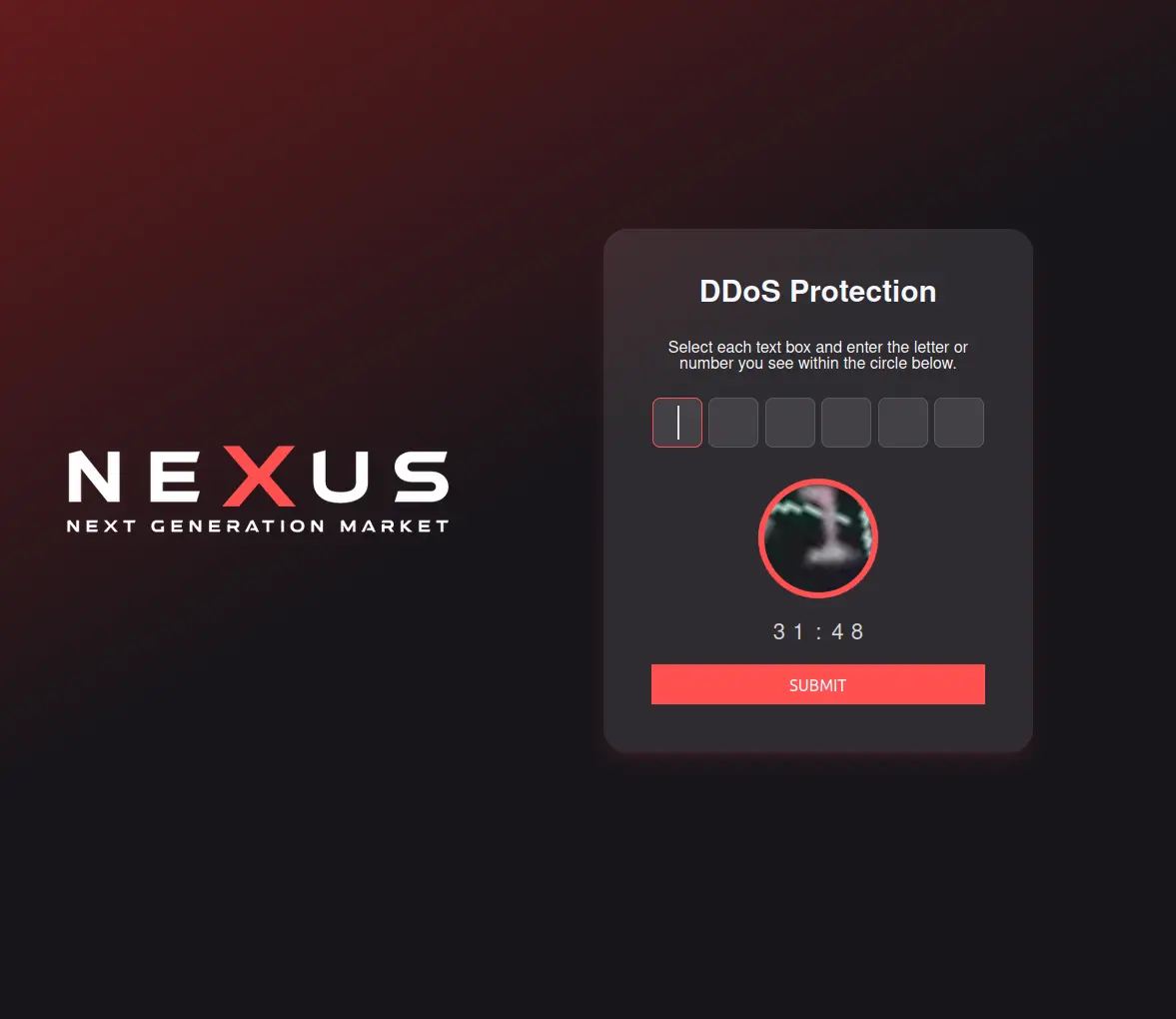
DDoS protection layers include rate limiting, proof-of-work challenges, and automatic traffic filtering. These measures have successfully defended against sustained attack campaigns that disrupted less prepared competitors. Backend encryption protects sensitive data even in worst-case compromise scenarios.
Nexus Community and Support
The integrated Nexus forum facilitates community interaction between users, vendors, and market staff. Vendor announcements keep buyers informed about shipping schedules, product availability, and special offers. Market updates communicate feature releases, maintenance windows, and security advisories. This centralized communication improves information flow compared to platforms relying exclusively on external forums.
Support ticket systems handle user issues requiring staff intervention. Response times average under 24 hours for standard inquiries. Priority support channels address urgent account recovery and security concerns. Moderator staff maintains presence on external forums like Dread for community engagement and issue escalation. Users appreciate the responsive support structure that addresses problems efficiently.
PDM Assessment
PDM analysts have tracked this platform since its November 2023 launch. The platform demonstrates competent security implementation combined with distinctive design philosophy. Infrastructure stability has proven acceptable through multiple stress periods over the past year. Community reception remains positive based on forum sentiment analysis and user feedback.
The cyberpunk aesthetic sets this marketplace apart visually from competitors, though substance matters more than style. Vendor selection has grown steadily since launch, with established sellers migrating from other platforms. The 4% commission rate positions Nexus competitively within the current landscape.
PDM reminds users that all centralized marketplaces carry inherent risks regardless of operator history or feature implementation. Never deposit more funds than immediately necessary for planned transactions. Verify current status before any interaction. PDM will update this analysis as conditions change. PDM provides ongoing monitoring of this and other platforms operating in this space.
The Cyberpunk Design Philosophy
The visual identity draws inspiration from cyberpunk aesthetics that emerged in science fiction literature and film. Neon pink accents against dark backgrounds create the distinctive atmosphere users immediately recognize. The design language extends beyond mere decoration into functional interface elements that improve navigation and status recognition.
Typography choices reinforce the technological theme while maintaining readability needed for marketplace functionality. Monospace fonts appear in code-related contexts like addresses and encryption keys. Sans-serif families handle body text and navigation elements. This typographic hierarchy guides user attention through complex information displays.
Animation and transition effects add polish without sacrificing performance. Loading indicators pulse with the signature pink glow. Button hover states provide immediate feedback confirming user interactions. These micro-interactions create a responsive feel that distinguishes the platform from utilitarian competitors focused purely on function.
Technical Architecture Overview
The underlying infrastructure balances modern web technologies against darknet-specific operational requirements. Server-side rendering ensures consistent experiences across the diverse browser configurations common among privacy-focused users. Database architecture optimizes for read-heavy patterns typical of marketplace browsing behavior.
Caching layers reduce server load during high-traffic periods while maintaining data freshness for time-sensitive information like vendor availability and pricing. Content delivery distributes static assets across the mirror network, improving load times regardless of which access point users choose. These optimizations maintain responsiveness even during coordinated attack attempts.
Security architecture implements defense-in-depth principles with multiple protective layers. Web application firewalls filter malicious requests before reaching application logic. Input validation prevents injection attacks across all user-supplied data fields. Output encoding ensures user-generated content cannot execute as code. Regular security audits identify and address emerging vulnerability classes.
Cryptocurrency Payment Processing
The payment infrastructure supports Bitcoin, Monero, and Litecoin with unified wallet management. Deposit addresses generate dynamically for each transaction, preventing address reuse that could compromise privacy. Confirmation requirements vary by cryptocurrency reflecting different blockchain security characteristics.
Bitcoin deposits require three confirmations before crediting to user accounts. This threshold balances transaction speed against double-spend protection for the amounts typically involved. Monero transactions confirm after ten blocks following the currency's recommended security practices. Litecoin uses similar confirmation requirements to Bitcoin with faster block times reducing effective wait times.
Withdrawal processing implements security measures protecting against both external attacks and internal fraud. Time delays create cancellation windows for unauthorized withdrawal attempts. Amount thresholds trigger additional verification requirements for large transactions. Address verification ensures withdrawals reach intended destinations rather than attacker-controlled wallets.
Vendor Onboarding Process
Prospective vendors follow a structured onboarding sequence before listing products. Initial applications require demonstrating relevant experience through reputation transfers or sample submissions. The vendor bond of three hundred dollars filters uncommitted applicants while remaining accessible to legitimate small-scale operators.
Verification processes confirm applicant claims where possible. Reputation transfers from previous platforms require cryptographic proof through PGP signatures from claimed accounts. New vendors without transferable reputation face extended probationary periods with transaction limits. These measures balance accessibility against fraud prevention.
Training resources help new vendors succeed on the platform. Documentation covers listing optimization, photography standards, shipping best practices, and communication guidelines. Experienced vendor mentorship programs pair newcomers with established sellers willing to share operational knowledge. This support infrastructure improves vendor quality benefiting the entire marketplace ecosystem.
Buyer Protection Mechanisms
Multiple systems protect buyer interests throughout the transaction lifecycle. Mandatory escrow holds funds until buyers confirm satisfactory delivery. Dispute resolution provides recourse when orders fail to meet expectations. Vendor ratings create accountability through transparent performance records.
Escrow release follows buyer confirmation or automatic finalization after configurable holding periods. Manual release after delivery confirmation represents the standard flow for successful transactions. Automatic finalization protects vendors from buyers who fail to respond after receiving orders. Extension requests accommodate legitimate delays in delivery or inspection.
Insurance programs cover certain loss categories beyond standard escrow protection. Shipping loss coverage reimburses buyers when tracking confirms delivery failures. Quality guarantee programs for verified product categories ensure advertised specifications match delivered items. These programs carry eligibility requirements and coverage limits detailed in platform documentation.
Category Organization and Navigation
Product taxonomy organizes listings into logical hierarchies supporting both browsing and targeted searches. Top-level categories group related product types. Subcategories provide refinement within broader groupings. Tag systems enable cross-category connections for items fitting multiple classifications.
Navigation design anticipates common user journeys from landing page to completed purchase. Category pages display curated selections highlighting top vendors and popular products. Filtering tools narrow results by price range, vendor rating, shipping origin, and payment options. Sorting options arrange results by relevance, price, recency, or vendor reputation.
Search functionality handles both precise queries and exploratory browsing. Exact match searches return specific products by name or identifier. Fuzzy matching accommodates spelling variations and partial queries. Suggested searches guide users toward popular terms when initial queries return limited results.
Communication and Messaging
The messaging system facilitates necessary communication while protecting user privacy. All messages support PGP encryption with recipient public keys stored in user profiles. Unencrypted messaging options exist for non-sensitive inquiries but carry privacy warnings encouraging encryption adoption.
Message threading organizes conversations by order or topic for easy reference. Read receipts confirm message delivery without revealing specific reading times. Notification preferences control alert frequency preventing message overload for active users. Archive functionality preserves important communications while decluttering active inboxes.
Automated messaging handles routine communications without requiring manual intervention. Order status updates generate automatically as transactions progress through fulfillment stages. Shipping notifications transmit tracking information when vendors provide it. Dispute alerts ensure both parties remain informed throughout resolution processes.
Mobile Accessibility Considerations
Responsive design principles ensure functionality across device categories despite the complexity of marketplace interfaces. Mobile layouts reorganize content for smaller screens while preserving access to all features. Touch-friendly interface elements accommodate interaction patterns different from mouse-based navigation.
Performance optimization reduces data consumption important for users accessing through limited connections. Image compression maintains visual quality while minimizing transfer sizes. Lazy loading defers non-visible content until needed. These optimizations improve experience on mobile networks and resource-constrained devices.
Browser compatibility spans the range of configurations common among privacy-focused users. Tor Browser receives primary testing attention given its prevalence in the target user base. JavaScript-disabled browsing maintains core functionality for users maximizing security settings. Progressive enhancement ensures advanced features activate only when underlying capabilities exist.
Future Development Roadmap
Platform development continues along publicly announced roadmap priorities. Enhanced search capabilities promise improved product discovery through visual similarity matching and natural language queries. Expanded cryptocurrency support would add additional payment options responding to community requests.
Vendor tools development focuses on operational efficiency improvements. Inventory management enhancements would simplify stock tracking across multiple product variants. Automated pricing rules would enable dynamic adjustments based on configurable criteria. Shipping integration would streamline label generation and tracking updates.
Security enhancements remain ongoing priorities regardless of specific feature development. Continuous monitoring identifies emerging threat patterns requiring defensive updates. Bug bounty programs incentivize responsible disclosure from security researchers. Regular penetration testing validates defensive measures against realistic attack scenarios.